Can a religious institution legally kick you out for marrying someone you love? For decades, the Knanaya Catholic Archdiocese in Kerala said yes. But this week, the Kerala High Court delivered a resounding no, effectively dismantling a centuries old practice of endogamy (in-marriage) and setting a massive precedent for the intersection of religious freedom and personal liberty.
The Background:
The Knanaya Catholic community traces its lineage back to Syrian migrants who arrived in India in the 4th century. To preserve their "pure" lineage, the Archdiocese maintained a strict, non-negotiable rule: if a Knanaya Catholic married outside the specific community, they were swiftly excommunicated. They lost their parish membership, their rights to religious sacraments, and their social standing.
The Legal Battle:
Aggrieved members who had been expelled for marrying "outsiders" took the matter to court, arguing that the practice violated their fundamental rights. The Church defended itself using Article 26 of the Indian Constitution, which grants religious denominations the right to manage their own affairs in matters of religion. They argued that endogamy wasn't just a social rule; it was the foundational bedrock of their specific religious identity.
The Court’s Ruling:
The Kerala High Court wasn't having it. In a brilliantly articulated judgment, the Court drew a hard line between a "matter of religion" and a "secular social practice." The bench ruled that excommunicating someone for their choice of spouse violates the fundamental right to marry, which is an integral part of the Right to Life and Personal Liberty under Article 21.
Furthermore, the Court held that while religious institutions have autonomy, they cannot operate as parallel judicial systems that strip citizens of their civil rights. By declaring the excommunication unconstitutional, the Kerala High Court reinforced a vital constitutional ethos: When religious doctrine clashes with fundamental human rights, the Constitution wins.
Read More at:
 K. Salma Jennath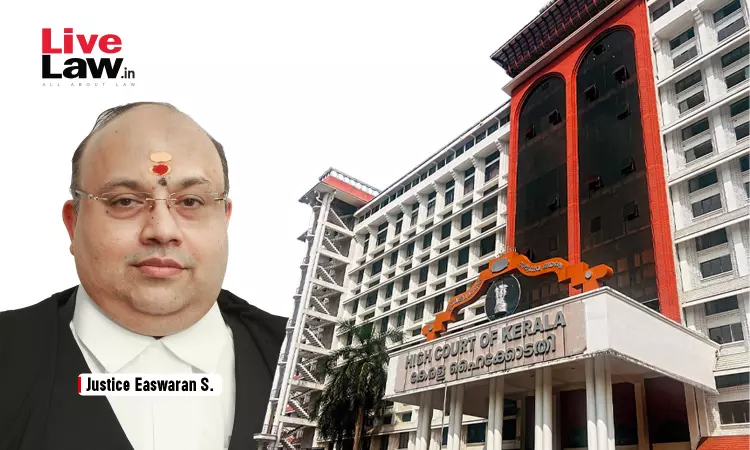
 The Hindu Bureau
 TNN
TNN
Building a rock-solid case takes more than just reading the news. It takes deep research, brilliant precedents, and a network of specialized legal minds. Whether you are arguing family law, constitutional rights, or appellate litigation, supercharge your legal arsenal at litt.law. Stop digging through outdated journals and step into the future of legal practice.
§ Related Reading
- Case StudyCase Study: Supriya Chakraborty v. Union of India
- Case StudyCase Study: Justice K.S. Puttaswamy & Ors. v. Union of India (UOI) & Ors.
- Case StudyCase Study: Bijoe Emmanuel & Ors. vs. State of Kerala & Ors.
- ColumnsImplications of Overturning Roe v Wade: Precedent to Prejudice
- ColumnsAligarh Muslim University’s Minority Status: A Landmark Supreme Court Ruling