
The dominoes are falling. As we covered before, the chokehold on the Strait of Hormuz has essentially paralyzed a critical artery of global trade. Now, that geopolitical chess match has landed directly on India’s shores, triggering a severe Liquefied Petroleum Gas (LPG) shortage. With over 60% of India’s domestic LPG demand met through imports, largely from the Middle East, supply chains are snapping.
As ships idle and pipelines run dry, panicked suppliers and frantic distributors are rushing to their commercial contracts, desperately searching for two specific words: Force Majeure.
But is a geopolitical blockade an automatic "Get Out of Jail Free" card for breached contracts? Today we unpack the anatomy of a Force Majeure claim under Indian law and see if it actually holds gas.
What is Force Majeure?
Borrowed from French, Force Majeure literally translates to "superior force." In contract law, it is a provision that relieves parties from performing their contractual obligations when unforeseen, unavoidable events beyond their control make performance impossible.
Traditionally, this covers "Acts of God" think earthquakes, tsunamis, or a global pandemic. But modern contracts usually include "Acts of Man" or geopolitical events, such as wars, embargoes, terrorism, and, crucially for our current crisis, blockades.
The Legal Framework: Indian Contract Act, 1872
In India, if you want to claim your contract is effectively frozen due to the LPG crisis, you are generally looking at two legal avenues under the Indian Contract Act:
- Section 32 (Contingent Contracts): If your contract has an explicitly drafted Force Majeure clause that specifically lists "blockades," "acts of war," or "shipping route closures," your defense relies on this section. It is all about what you agreed upon in writing.
- Section 56 (Doctrine of Frustration): What if your contract does not have a Force Majeure clause, or it is too vaguely worded? You have to rely on Section 56. This doctrine states that a contract becomes void if the act it requires becomes fundamentally impossible or unlawful to perform after the contract is made.
The LPG Stress Test: Will the Courts Buy It?
Let us look at a practical scenario: Importer A in Mumbai cannot deliver LPG to Distributor B in Delhi because their Qatari supply vessel is stuck behind the Iranian blockade. Importer A invokes Force Majeure. Does it work?
It is not as simple as pointing to the news. Indian courts apply very strict tests to prevent parties from using Force Majeure simply to escape bad deals:
- The Causation Test: The supplier must prove that the Hormuz blockade is the direct and sole reason they cannot deliver the LPG.
- The Alternative Route Dilemma: This is where cases are won or lost. Could Importer A source LPG from the United States or Australia instead? If an alternative exists, courts usually demand you take it.
- The "Commercial Hardship" Trap: Let's say Importer A can source LPG from the US, but the spot market price is 400% higher, meaning they will take a massive financial loss on the contract with Distributor B. Under Indian law, commercial hardship or unprofitability is NOT a valid ground for Force Majeure. In the landmark case of Energy Watchdog vs. CERC (2017), the Supreme Court of India made it crystal clear: an unexpected rise in prices does not frustrate a contract.
The Verdict on the Crisis
For Indian energy companies, the current LPG crisis is a legal minefield. If their contracts specifically excuse performance based on the closure of Middle Eastern shipping lanes, they might be safe. But if they are just claiming it is "too expensive" to route gas around the Cape of Good Hope or buy it from the West, Indian courts will likely tell them to swallow the losses and deliver the goods.
Read More at:
 LeDroit Admin
 IJLLR Journal
 Sukrit Kapoor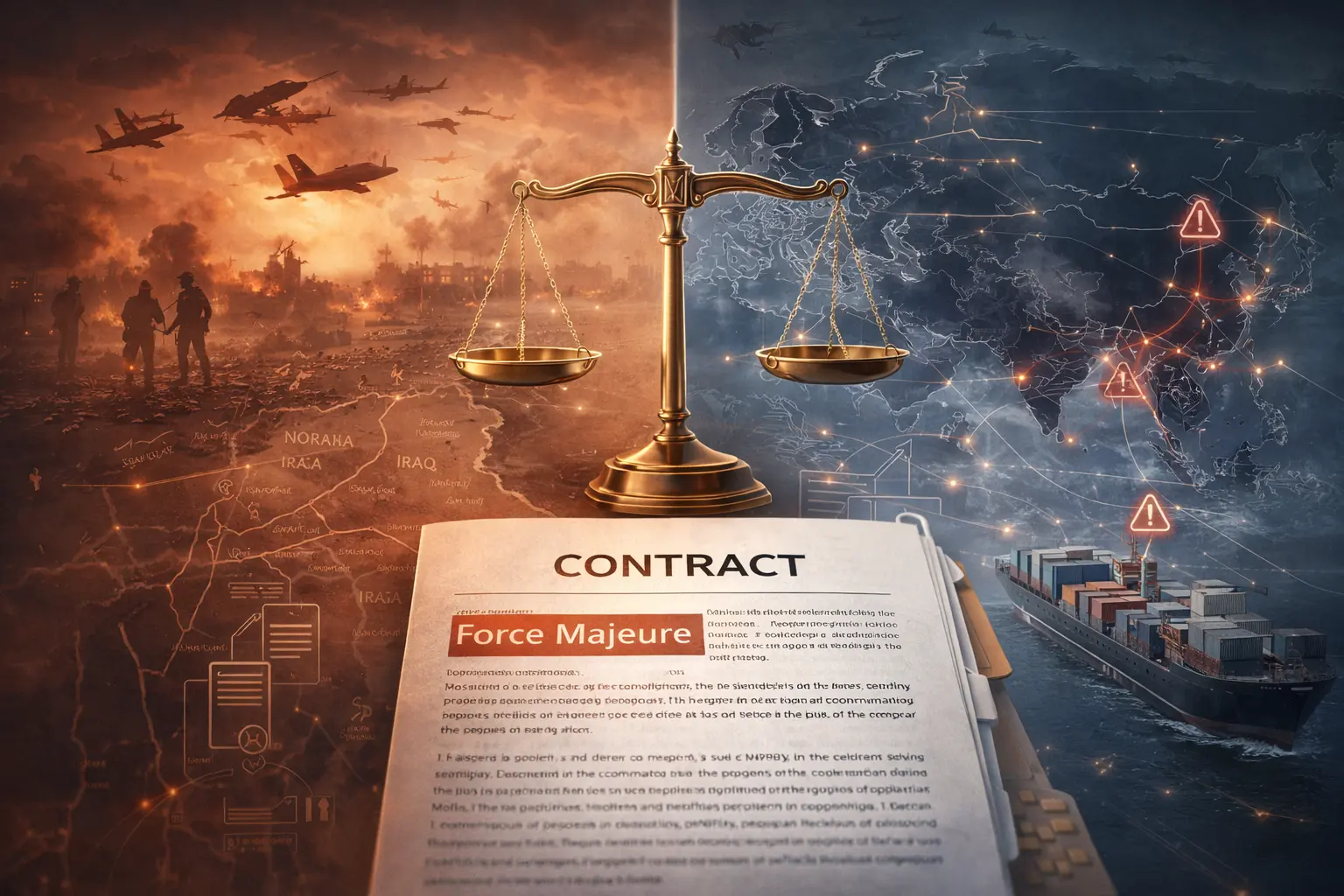
Is your supply chain paralyzed? Don't wait for a breach of contract notice to find out if your Force Majeure clause is bulletproof. Navigating the Doctrine of Frustration requires precision and the right legal mind. Head over to litt.law right now. It is the premier platform to connect with top-tier contract specialists, access cutting-edge legal tech, and fortify your commercial agreements before the next global crisis hits.