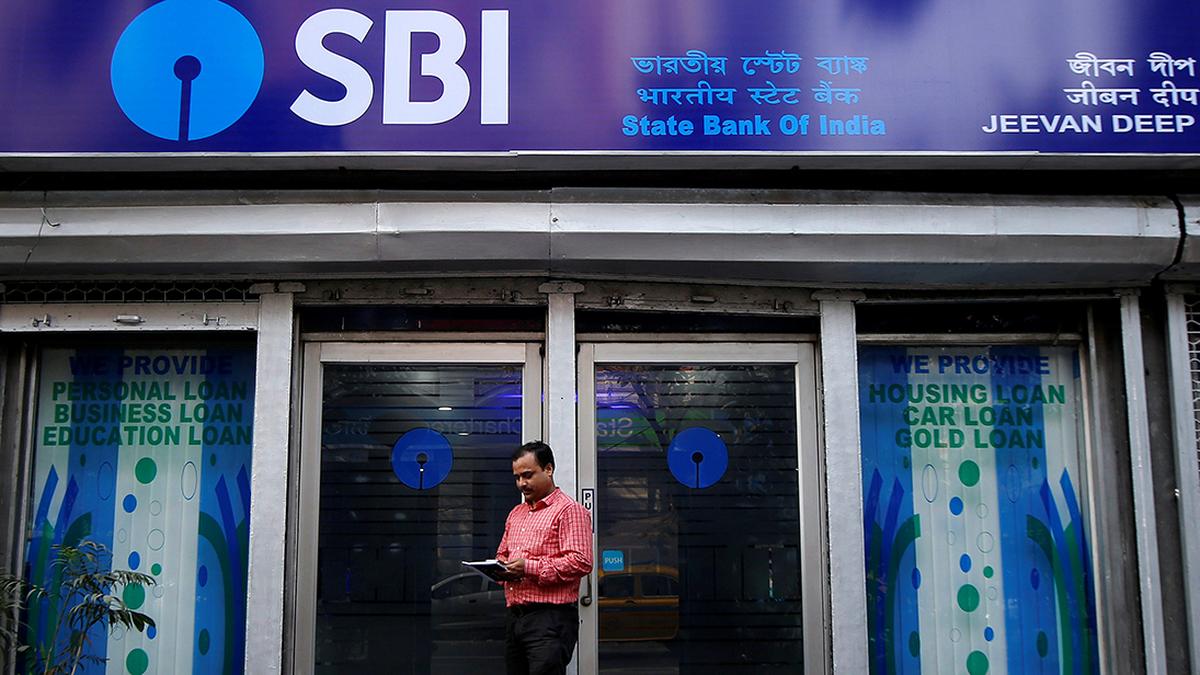
In a historic ruling, the Supreme Court struck down the Electoral Bonds scheme as unconstitutional. But the real legal drama began when the State Bank of India (SBI) asked for four months to match two columns of data, conveniently pushing the disclosure past the 2024 General Elections. We dissect the apex court's brutal takedown of this administrative stalling tactic, proving that the State cannot use alleged incompetence as a shield against constitutional transparency.
If you have ever panicked at work and lied to your boss about how long an Excel spreadsheet takes to format, you might feel a brief, fleeting moment of sympathy for the State Bank of India (SBI). But for the rest of the legal fraternity, watching India’s largest bank try to explain to the Supreme Court why it needed four months to match two columns of data was the legal comedy event of the decade.
Let’s strip away the political noise and look at the sheer legal mechanics of the Electoral Bonds Judgment, and the spectacular compliance failure that followed.
The Constitutional Triumph: Striking Down Anonymity
In early 2024, a five-judge Constitution Bench led by Chief Justice D.Y. Chandrachud delivered a watershed judgment in Association for Democratic Reforms v. Union of India. The Court unanimously struck down the Electoral Bonds scheme, declaring it fundamentally unconstitutional.
The legal reasoning was a triumph of constitutional law. The Court ruled that anonymous corporate funding of political parties is a direct violation of the citizen’s Right to Information under Article 19(1)(a). They completely dismantled the government's defense that the scheme was necessary to curb "black money," noting that the complete anonymity of the bonds actually legalized political kickbacks and corporate quid pro quo at an unprecedented scale.
The Supreme Court ordered SBI the sole authorized issuer of these bonds to submit the details of who bought the bonds and which political parties cashed them to the Election Commission of India by March 6, 2024.
The "Silo" Defense and the June 30th Deadline
The judgment was clear. But the aftermath? That was a masterclass in administrative audacity.
Just two days before the absolute deadline, SBI filed a massive extension application. Their core legal argument was logistical: they claimed that to maintain anonymity, the purchaser data and the redeemer data were kept in two entirely separate, physically distinct "silos." They argued that manually matching the alphanumeric codes on thousands of bonds would be incredibly complex and time-consuming, requiring an extension until June 30th.
For context, June 30th was very conveniently right after the final phase of the 2024 General Elections.
The Court’s Takedown: Do Not Play Games with the Bench
Chief Justice Chandrachud and the bench essentially looked at the bank's top legal counsel and said, "Absolutely not."
The Court did not just dismiss the extension; they gave SBI a brutal, highly public lesson in judicial compliance. The bench pointed out a glaring flaw in SBI's argument: the bank's own Know Your Customer (KYC) framework meant the data was already digitized, verified, and readily accessible. The Court noted that they weren't asking SBI to run a complex forensic matching algorithm; they were simply asking the bank to open the two silos and hand the data over to the Election Commission to publish "as is."
The Supreme Court rejected the application and warned SBI that if they did not comply by the close of business the following day, the Court would initiate harsh contempt of court proceedings against the Chairman of the bank.
The Precedent: No Hiding Behind Red Tape
Faced with the threat of contempt, SBI miraculously managed to compile and submit the data within 24 hours. A four-month logistical nightmare was solved in an afternoon.
This saga established a massive, lasting precedent for administrative law in India. It proved that when the Supreme Court actually wants to enforce a deadline, bureaucratic red tape evaporates instantly. More importantly, it sent a chilling message to statutory bodies: The State cannot use alleged administrative incompetence or deliberate logistical obfuscation as a shield against constitutional transparency.
Still doing legal research like it’s 2004? If India's largest bank couldn't convince the Supreme Court that basic data processing takes months, you can't convince your clients that your legal research does either. Stop relying on outdated, siloed databases and clunky search engines. Upgrade to litt.law. Built specifically for the modern Indian advocate, LITT is the AI-driven legal intelligence stack that finds the exact precedent you need in seconds, not months.
Read More (Verified Legal News Sources):
 Apoorva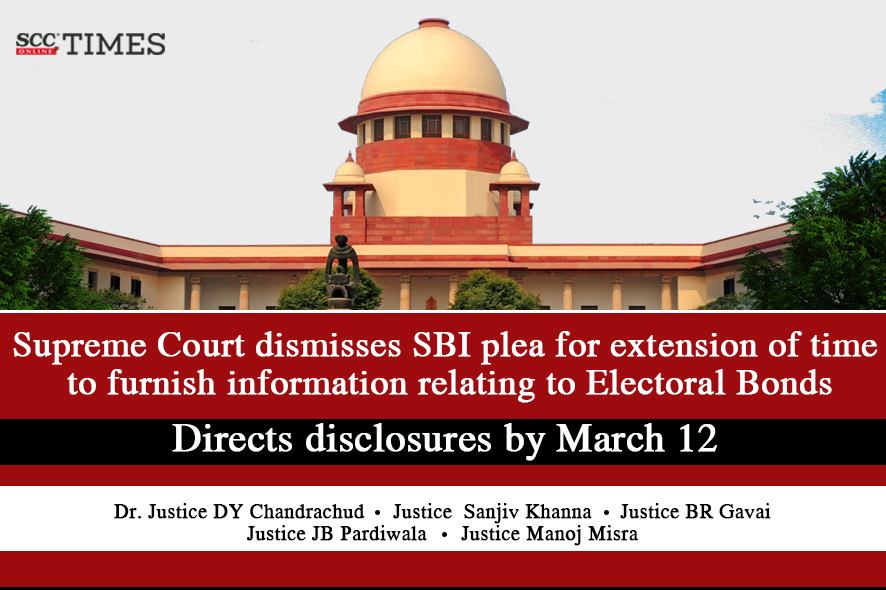
 TOI News Desk
 Krishnadas Rajagopal